

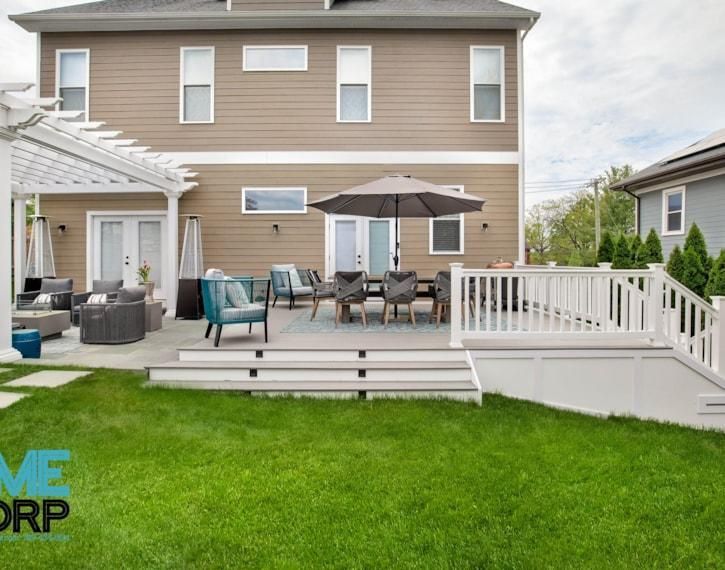
Outdoor Structures Built for Year-Round Exposure
Outdoor Living Spaces and Deck Building in Herndon for properties needing functional outdoor areas and weather-resistant construction
Mid-Atlantic humidity and freeze-thaw cycles degrade outdoor structures built without proper moisture barriers, fastener selection, and material choices that resist rot and splitting. BME Corp constructs decks, patios, pergolas, and screened porches using construction methods designed for Virginia's seasonal moisture and temperature extremes, including flashing details that prevent water from collecting against home foundations and composite decking that eliminates the splintering and maintenance associated with traditional wood. Outdoor living projects extend usable square footage for entertaining and relaxation while addressing drainage patterns that affect longevity and safety.
Deck construction involves foundation work with concrete footings placed below frost depth to prevent seasonal heaving, ledger board attachment that transfers load to home framing without compromising weather barriers, and joist spacing calculated for material span ratings. Composite and treated lumber selections depend on ground contact, exposure to standing water, and desired maintenance levels. Railing systems are engineered to meet code-required load resistance while maintaining sightlines and aesthetic continuity with home exteriors.
Request a consultation for backyard improvements to evaluate site conditions and discuss outdoor structure options.
What You Notice Once Outdoor Construction Is Finished
Outdoor living construction begins with site preparation including grading adjustments to direct water away from structures, then proceeds through foundation placement, framing, and finish material installation. Hardscaping elements like patios are built on compacted gravel bases that prevent settling, with surface materials sloped to prevent standing water. Outdoor kitchens require plumbing and electrical rough-ins coordinated with cooking equipment placement, and fire pits need clearances from structures and combustible materials specified by local codes.
After construction, you notice deck surfaces remain level without sagging, railings are rigid without movement when pressure is applied, and stairs meet treads at consistent riser heights. Composite decking resists fading and staining from pollen and leaf debris common in Herndon's wooded neighborhoods, and fasteners remain concealed rather than backing out over time. Screened porches keep insects out while allowing airflow, and pergolas provide partial shade without requiring the structural complexity of fully roofed additions.
Outdoor projects often include lighting for evening use, with fixtures positioned to illuminate stairs and pathways without glare. Retractable screens and weather curtains extend usability during marginal weather, and ceiling fans improve comfort during humid summer months. Siding and door upgrades are sometimes coordinated with outdoor construction to integrate new access points and ensure weather barriers transition properly between indoor and outdoor spaces.
Questions Before Starting Your Project
Homeowners planning outdoor living improvements in Herndon frequently ask about material durability, maintenance requirements, and how structures perform through seasonal weather changes.
What decking material requires the least maintenance?
Composite decking made from wood fiber and polymer resists rot, never requires staining or sealing, and maintains surface integrity without splintering, though it costs more initially than pressure-treated lumber.
How deep must deck footings extend?
Footings in Herndon must reach at least 30 inches below grade to sit below the frost line, preventing seasonal ground movement from shifting posts and compromising structural stability.
When should a screened porch be chosen over an open deck?
Screened porches make sense when insect pressure limits outdoor use during warmer months, when weather protection for furniture is desired, or when year-round usability justifies the additional construction cost.
What permits are required for deck construction?
Decks attached to homes and exceeding certain height or square footage thresholds require permits with inspections covering footing depth, ledger attachment, and railing strength to verify code compliance.
How does proper flashing prevent water damage?
Flashing installed between the deck ledger and house sheathing directs water downward and away from the connection point, preventing moisture from entering wall cavities where it causes rot in framing and sheathing.
BME Corp builds outdoor living spaces throughout Herndon using construction practices designed for long-term performance in regional climate conditions, addressing both functional use and structural durability. Schedule an estimate to review site-specific considerations and discuss outdoor structure options that complement your property and lifestyle needs.