

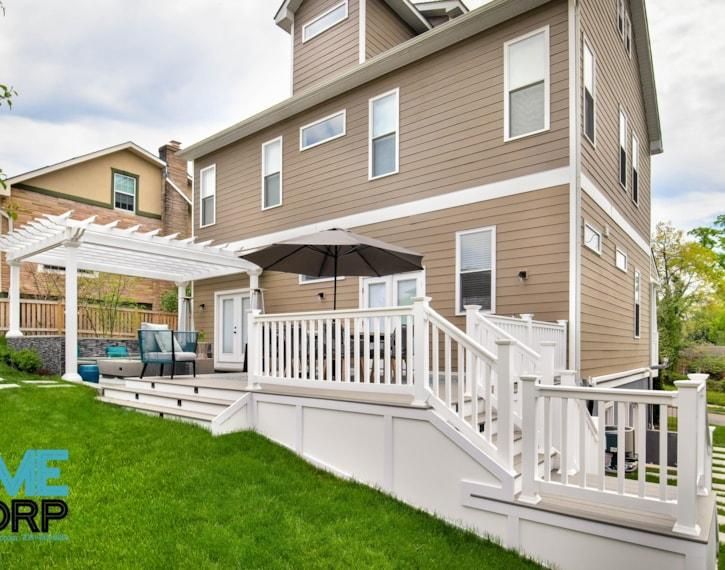
Renovations That Reconfigure How Homes Work
Full Home Remodeling in Herndon for properties needing layout changes, space additions, and modernized systems
Properties where original floor plans no longer match how families live benefit from whole-home renovation that addresses multiple rooms, adds square footage, and updates infrastructure simultaneously. The company handles projects ranging from second-story additions and garage conversions to basement finishing and accessory dwelling unit construction, coordinating structural, mechanical, and finish work under unified project management. Homes built decades ago with smaller rooms, limited storage, and outdated electrical and plumbing systems gain functional improvements that significantly extend usable life and market appeal.
Renovation planning begins with evaluating structural capacity for additions, identifying code compliance requirements, and developing layouts that integrate new spaces with existing architecture. BME Corp manages permit acquisition, subcontractor coordination, and material procurement, ensuring work progresses logically from structural framing through finish installation. Projects address foundation requirements for additions, roof modifications for second-story expansions, and utility upgrades to support increased electrical and HVAC demand.
Discuss long-term renovation goals during an initial consultation to establish scope, budget parameters, and construction phasing.
Why Coordinated Project Management Works for Renovations
Full home remodeling involves sequencing work so that structural modifications precede finish installations, and temporary utilities maintain livability during construction. Foundation work for bump-outs and additions must cure before framing begins, and roof openings for dormers or second-story expansions are scheduled around weather forecasts to prevent water intrusion. Electrical panels are upgraded early in the process to support additional circuits, and HVAC systems are sized based on final square footage after additions are framed.
When renovation completes, you notice seamless transitions between original and new construction, with flooring heights matching, trim profiles continuing consistently, and paint finishes uniform across all surfaces. Room layouts support current furniture and electronics rather than forcing compromises around awkward dimensions, and storage capacity increases through closets, built-ins, and dedicated utility spaces. Windows and doors align with updated exterior aesthetics, and landscaping disturbed during foundation work is restored to match surrounding grade.
Renovation scope varies based on homeowner priorities, with some projects focusing on expanding living areas through sunrooms and four-season rooms, while others convert underutilized attics and basements into bedrooms and entertainment spaces. Garage conversions provide additional living space without altering home footprint, and accessory dwelling units create separate living quarters for extended family or rental income. Each approach involves different structural considerations, utility routing, and finish material selections.
What Property Owners Usually Ask
Homeowners considering whole-home renovation in Herndon ask about project complexity, living arrangements during construction, and how additions affect existing home systems.
What structural work is required for second-story additions?
Existing framing must be evaluated to confirm it can support additional floor loads, often requiring foundation reinforcement, wall strengthening, and new support beams installed beneath added weight.
How does basement finishing differ from above-grade remodeling?
Basement work requires moisture control through vapor barriers and waterproofing, insulation strategies that prevent condensation, and egress windows that meet code requirements for habitable space.
When does it make sense to build an accessory dwelling unit?
ADUs work well on properties with adequate lot size, existing utility capacity to support a separate living unit, and local zoning that permits detached or attached secondary dwellings.
What permits are required for major additions?
Most additions exceeding 200 square feet require building permits covering structural, electrical, plumbing, and mechanical work, with inspections at foundation, framing, and final completion stages to verify code compliance.
How long should homeowners expect major renovation projects to take?
Whole-home remodels including additions and multiple room updates typically require three to six months depending on square footage added, complexity of structural work, and material availability for custom finishes.
BME Corp coordinates full home remodeling projects in Herndon, managing structural additions, system upgrades, and finish work through unified timelines and quality standards. Request a project consultation to review renovation options and develop a phased approach that aligns with your living requirements and timeline expectations.