
Finishes That Withstand Weather and Time
Interior and Exterior Painting in Herndon for surface protection, appearance restoration, and property value improvement
When your home's exterior paint shows chalking, peeling, or UV fade, or interior walls display scuff marks, outdated colors, or surface damage from settling cracks, those conditions signal that protective coatings have degraded and surfaces need refinishing. BME Corp. delivers interior and exterior painting services in Herndon using products from Sherwin-Williams, Benjamin Moore, and McCormick Paints—manufacturers known for formulations that resist moisture intrusion, color fade, and mechanical wear. Our approach begins with surface preparation that addresses underlying issues before primer and finish coats are applied, producing results that protect substrates and maintain appearance through years of exposure.
Painting involves cleaning surfaces to remove contaminants that prevent adhesion, repairing cracks or damaged areas so coatings bond to sound material, priming to seal porous surfaces and improve topcoat performance, and applying finish coats in controlled layers that build film thickness without runs or thin spots. The process differs significantly based on substrate material, existing coating condition, and exposure factors like direct sun or moisture contact.
Request a detailed estimate that includes surface assessment, preparation requirements, and material specifications for your project.
Why Surface Preparation Determines Coating Longevity
Quality painting requires more preparation time than application time because coatings only perform as well as the surface beneath them. We scrape loose paint, sand rough areas to create mechanical tooth for adhesion, fill cracks with appropriate repair compounds, and clean surfaces with solutions that remove mildew, dirt, and oxidation residue. Exterior wood surfaces may require rot repair before painting, while interior drywall often needs compound application and sanding to eliminate texture irregularities that telegraph through finish coats.
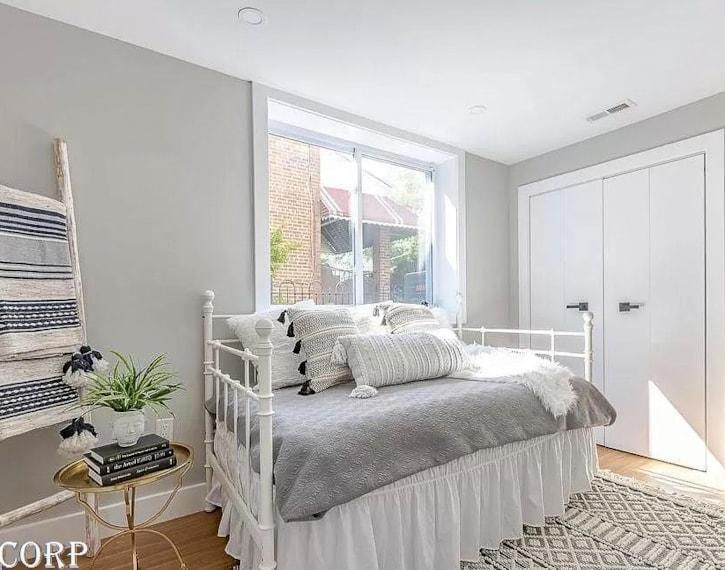
Once painting is complete, your exterior surfaces resist water infiltration that causes wood rot and structural damage, colors remain uniform without blotching or fading for years, and interior spaces display smooth, cleanable surfaces that refresh the home's appearance. You notice that trim lines appear crisp and deliberate, coating thickness looks consistent across all surfaces, and the finish quality matches what you expect from professional work rather than rushed application.
Material selection matters significantly in coating performance—we recommend specific product lines based on substrate type, exposure conditions, and desired sheen levels. Exterior coatings require UV inhibitors and mildewcides for Herndon's humid summer conditions, while interior paints are chosen for washability, stain resistance, and low-VOC formulations that minimize odor during occupancy. Every project receives job site protection that keeps floors, fixtures, and landscaping clean throughout the work period.
Answers to Painting Service Questions
Homeowners preparing for painting projects often ask about timing, preparation scope, and how to evaluate coating quality.
What determines whether exterior surfaces need primer before topcoats?
Bare wood, repaired areas, and surfaces where old paint has been stripped to substrate all require primer to seal porosity and provide uniform adhesion. Previously painted surfaces in good condition may accept topcoats directly if they're clean and sound, though spot-priming repairs ensures consistent coating performance across the entire surface.
How does climate in Herndon affect exterior painting schedules?
Temperature and humidity control coating cure rates—paint applied during high humidity or temperatures below 50°F may not cure properly, leading to poor adhesion and premature failure. We schedule exterior projects during stable weather periods, typically late spring through early fall, and monitor forecasts to avoid rain within 24 hours of application that can wash uncured coatings.
Why do some interior rooms require more preparation than others?
Kitchens and bathrooms accumulate grease and moisture that degrade paint adhesion, requiring thorough cleaning and sometimes specialty primers before finish coats. High-traffic areas show more surface damage from furniture contact and daily wear, necessitating patching and sanding work that less-used spaces don't need.
What should I expect regarding paint odor and ventilation during interior projects?
Low-VOC and zero-VOC formulations significantly reduce odor compared to traditional paints, though some smell remains during application and initial cure. We recommend ventilating rooms during and after painting, and most modern interior paints allow occupancy the same day, though full cure takes several days depending on temperature and humidity.
How long do properly applied exterior coatings last before repainting becomes necessary?
Exterior paint longevity depends on exposure—south-facing surfaces receiving direct sun may show fade and chalking within five to seven years, while protected areas under eaves can last ten years or longer. Regular cleaning and prompt touch-up of damaged areas extends coating life, and choosing premium products with better UV resistance adds years to the repainting cycle.
BME Corp. approaches every painting project with attention to surface preparation, material quality, and application technique that produces durable, professional results. Reach out at (703) 434-9134 to discuss your interior or exterior painting needs and receive a project estimate based on current surface conditions.