

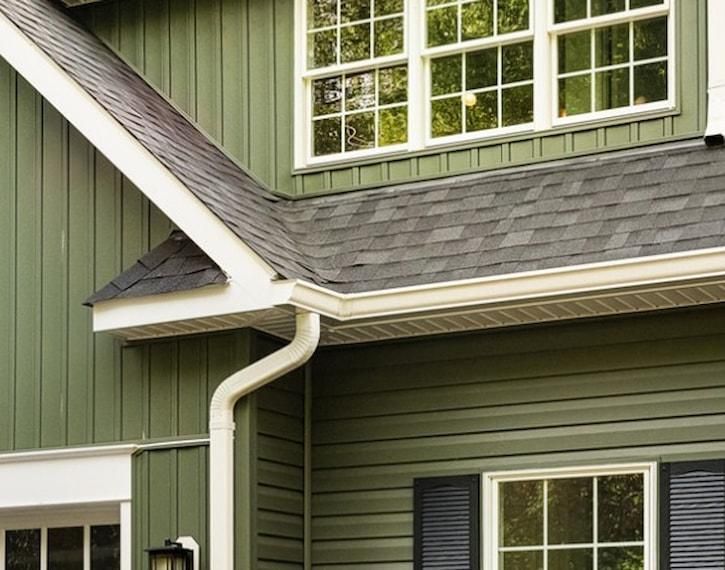
Square Footage Designed for How You Live
Home Additions in Herndon for expanding living space, accommodating family growth, and adapting homes to changing needs
Homes that no longer fit your family's needs—whether due to additional children, multi-generational living arrangements, home office requirements, or lifestyle changes—often require added square footage rather than relocation. BME Corp. manages home addition projects in Herndon, including major multi-room expansions, second-story additions, kitchen and bathroom additions, bedroom extensions, bump-outs, garage conversions, sunrooms, basement finishing, attic conversions, and accessory dwelling units. Our construction management coordinates design integration with existing architecture, structural engineering to support new loads, permit acquisition that meets local building codes, and phased construction that minimizes disruption to occupied spaces during the build process.
Addition construction involves foundation work to support new structural loads, framing that ties into existing walls and roof systems, exterior finishing that matches or complements current materials, and interior build-out including mechanical systems, insulation, drywall, and finish carpentry. Each addition type presents different challenges—second-story work requires verifying that existing foundations can handle added weight, while garage conversions involve removing doors and adding insulation and HVAC to create conditioned space.
Arrange an on-site consultation to discuss your space needs, evaluate structural feasibility, and review design options that align with your home's existing layout.
What Proper Addition Planning Requires
Successful additions begin with planning that addresses setback requirements, structural capacity, utility routing, and architectural integration before construction starts. We evaluate your existing home's foundation and framing to determine what reinforcement may be needed, coordinate with designers to create plans that flow naturally from existing spaces, and manage permit submissions that satisfy local building departments. Addition projects also require decisions about HVAC capacity—existing systems may need upgrading to condition added square footage—and electrical service sizing to handle increased loads from new rooms.
After your addition is complete, your home functions with adequate space for current needs, new rooms integrate visually and structurally with existing architecture, and building systems operate efficiently across the expanded footprint. You gain usable living area without the transaction costs and disruption of moving, property value increases proportional to the added square footage and finish quality, and your home better supports the activities and occupancy patterns that prompted the expansion.
Addition projects vary widely in scope and complexity—a bump-out adding 50 square feet to a kitchen involves different engineering and permitting than a 1,200-square-foot second story, and accessory dwelling units introduce additional code requirements around separate entries, kitchens, and utility metering. We provide transparent project timelines and cost estimates based on your specific goals, existing home conditions, and desired finish levels so you can make informed decisions about project scope and budget allocation.
Questions Before Starting Your Addition Project
Homeowners considering additions typically want to understand feasibility, process timelines, and how construction affects daily living.
What determines whether my existing foundation can support a second-story addition?
Foundation capacity depends on original construction standards, soil conditions, and current structural loading. A structural engineer evaluates footing dimensions, foundation wall thickness, and soil bearing capacity to determine if reinforcement is needed before adding upper-level weight, which often involves underpinning or sistering additional footings alongside existing foundations.
How do setback requirements in Herndon affect addition size and placement?
Local zoning establishes minimum distances between structures and property lines, which limits where additions can be built and how large they can be. We review your property survey and zoning regulations early in planning to identify buildable areas and ensure designs comply with setback rules before submitting permit applications.
Why do addition costs vary significantly between bump-outs and full room additions?
Bump-outs extending existing rooms by a few feet require foundation work, exterior wall construction, and roof modifications but involve less square footage and simpler integration. Full room additions involve more extensive foundation and framing work, complete mechanical system extensions, and proportionally more finish materials, resulting in higher total costs despite similar per-square-foot pricing.
What happens to my existing HVAC system when adding conditioned space?
Adding square footage often exceeds existing HVAC system capacity, requiring either system replacement with properly sized equipment or installation of supplemental heating and cooling dedicated to the addition. We perform load calculations to determine whether current equipment can handle increased demand or if upgrades are necessary to maintain comfort throughout the home.
How long does typical addition construction take from permit to completion?
Timeline depends on addition complexity and size—a simple bump-out may complete within six to eight weeks after permits are issued, while second-story additions or accessory dwelling units often require four to six months due to structural work, inspection sequences, and finish coordination. Weather delays, material delivery timing, and permit review periods also affect schedules.
BME Corp. brings construction management experience to home addition projects that integrate new space with existing homes while maintaining quality and functionality. Contact us at (703) 434-9134 to explore addition options tailored to your property and household requirements.